
Recognizing and Replacing Negative Self-Talk Patterns

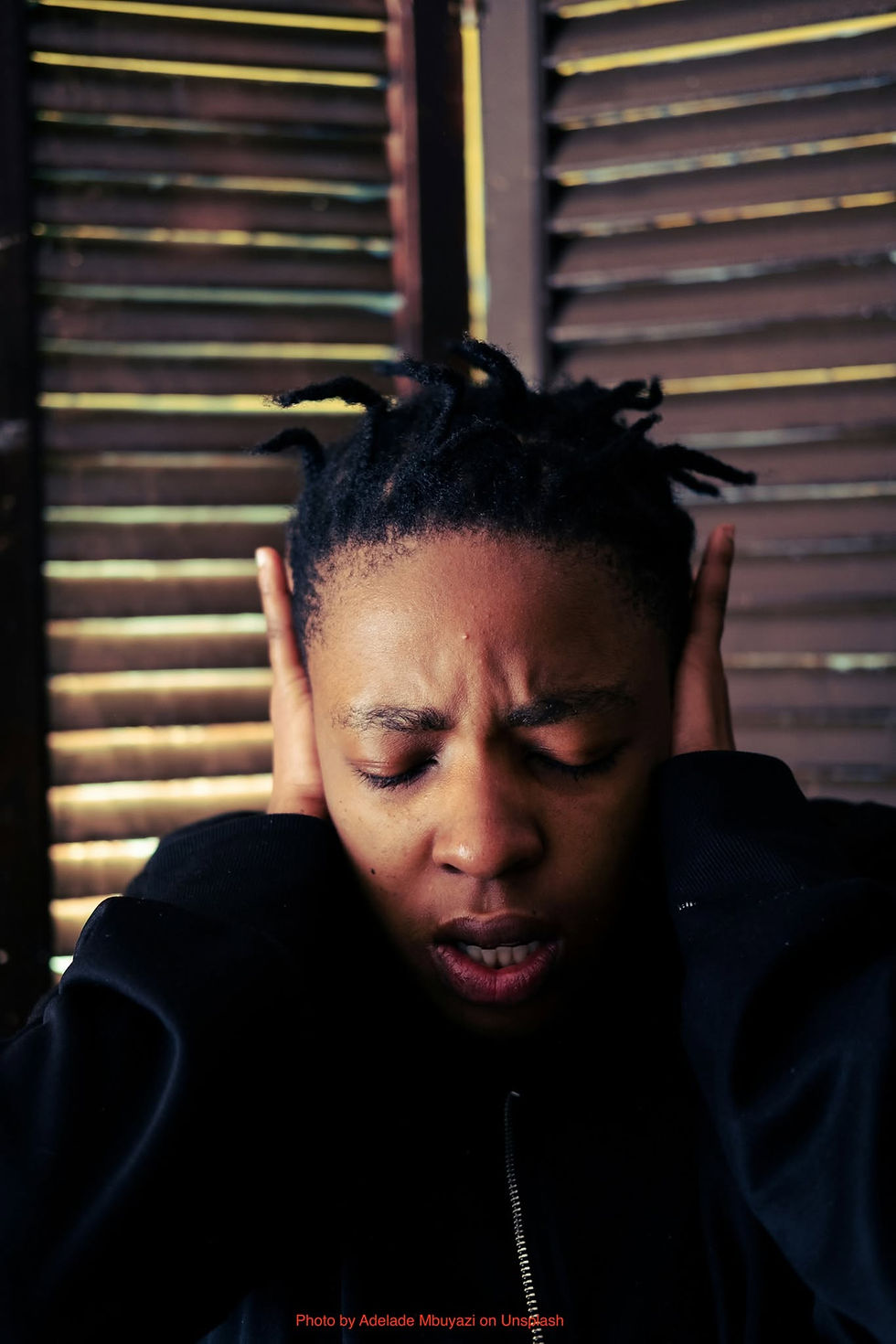
𝐓𝐡𝐞 𝐕𝐨𝐢𝐜𝐞𝐬 𝐢𝐧 𝐎𝐮𝐫 𝐇𝐞𝐚𝐝: 𝐄𝐜𝐡𝐨𝐞𝐬 𝐟𝐫𝐨𝐦 𝐭𝐡𝐞 𝐏𝐚𝐬𝐭.
We carry voices with us. They live in our heads, quiet and constant, narrating our lives. They tell us who we are. They tell us what we are capable of. They tell us what we deserve. We accept these voices without question. We assume they are our own. We assume they are telling the truth.
𝑩𝒖𝒕 𝒘𝒉𝒐𝒔𝒆 𝒗𝒐𝒊𝒄𝒆 𝒊𝒔 𝒕𝒉𝒂𝒕?
There is a voice that tells you, "𝑌𝑜𝑢 𝑎𝑟𝑒 𝑛𝑜𝑡 𝑔𝑜𝑜𝑑 𝑙𝑜𝑜𝑘𝑖𝑛𝑔 𝑒𝑛𝑜𝑢𝑔ℎ." Where did it come from? Did you arrive at this conclusion through careful, objective analysis? Or is it the voice of an aunt who commented on your complexion when you were twelve? Is it the voice of a cousin who was always praised for her features while you were praised for your marks? Is it the voice of a parent who sighed when you gained weight?
There is a voice that tells you, "𝑌𝑜𝑢 𝑎𝑟𝑒 𝑛𝑜𝑡 𝑔𝑜𝑜𝑑 𝑎𝑡 𝑎𝑛𝑦𝑡ℎ𝑖𝑛𝑔." Whose voice is that? Is it your own, born from your own experience? Or is it the voice of a teacher who mocked your answer in front of the class? Is it the voice of a sibling who always seemed to do it better, faster, more easily? Is it the voice of a father who compared you to the neighbour's son?
There is a voice that tells you, "𝑌𝑜𝑢 𝑎𝑟𝑒 𝑡𝑒𝑟𝑟𝑖𝑏𝑙𝑒 𝑎𝑡 𝑟𝑒𝑙𝑎𝑡𝑖𝑜𝑛𝑠ℎ𝑖𝑝𝑠." Where did it originate? Did you discover this through a series of honest, reflective experiences? Or is it the voice of a mother who said you were too demanding? Is it the voice of a friend who betrayed you and made you believe you were unlovable? Is it the voice of a partner who left and made you feel it was your fault?
These voices are not ours. They are echoes. They are the residue of other people's opinions, other people's fears, other people's limitations. They were spoken once, perhaps casually, perhaps cruelly, perhaps without thought. And we picked them up. We internalized them. We made them our own. We repeated them to ourselves until they became a truth we no longer questioned.
This is the work. To stop and ask. To pause and listen. To hear the voice and say, "𝑾𝒉𝒐𝒔𝒆 𝒗𝒐𝒊𝒄𝒆 𝒊𝒔 𝒕𝒉𝒂𝒕?" Is this my own understanding, arrived at through my own experience? Or is this the voice of someone else, someone who may have been wrong, someone who may have been projecting their own pain, someone who had no right to define me?
We can examine the evidence. We can ask ourselves, what is the proof that this is true? We can look for moments that contradict the voice. We can ask ourselves, would I say this to a friend? Would I say this to my child? If the answer is no, then why do we say it to ourselves?
Some of these voices are loud. Some are persistent. Some have been with us for decades. They will not disappear overnight. But we can begin to notice them. We can begin to question them. And slowly, voice by voice, we can begin to replace them with something better. With our own voice. With a voice that is kind. With a voice that is true.


Comments